Learn Why Sliding Doors Work So Well for Designing Areas That Merge Indoor and Outdoor Living
Sliding doors offer an effective solution for improving indoor-outdoor spaces. Their design allows for a seamless shift between environments, maximizing natural light and views. This feature not only improves aesthetics but also encourages better airflow and flexible furniture arrangements. As homeowners seek to incorporate nature into their daily lives, the benefits of sliding doors become increasingly important. Exploring the different styles and benefits uncovers even more compelling motivations to contemplate them for any home.

The Advantages of Sliding Doors for Indoor-Outdoor Living
Sliding doors enable a seamless flow between indoor and outdoor spaces, enhancing the overall movement of a home. Their expansive glass panels permit natural light to inundate interiors, creating a bright and attractive atmosphere. This not only strengthens the visual refinement but also advances a sense of affinity with nature, making indoor-outdoor living more rewarding.
Additionally, sliding doors are space-efficient because they do not require the space to open as traditional doors do, making them great for smaller rooms. They also can be designed to blend harmoniously with multiple architectural styles, contributing to the home’s overall design.
In addition, glass panels can optimize ventilation, allowing outdoor air to move freely, which is significantly helpful in warmer months. They also provide straightforward access to garden areas, encouraging activities like dining al fresco or hosting entertaining. Overall, glass panels strengthen the functionality and gratification of home environments, establishing them as a well-liked option for present-day residences.
Guidelines for Selecting the Correct Sliding Door Style for Your Home
Selecting the perfect entrance door type necessitates several essential factors. Homeowners should first evaluate their home's design character to guarantee a cohesive aesthetic, while also considering the existing square footage and intended purpose. Additionally, the selection of products and their durability can greatly affect both aesthetics and effectiveness.
Reflect on your home's visual style
When choosing a sliding door style, homeowners must consider the overall aesthetic of their residence. The chosen style should coordinate with existing architectural features and interior design elements. For modern homes, sleek and minimalist designs, such as aluminum or frameless glass doors, may be suitable, promoting a seamless shift between spaces. Conversely, traditional residences might benefit from wood-framed doors, which add warmth and character. Color and finish are also essential; neutral tones often complement various styles, while bold colors can serve as a statement piece. Ultimately, aligning the sliding door style with the home's overall design not only enhances visual appeal but also contributes to a cohesive indoor-outdoor living experience.
Analyze Total Space and How Well It Functions
Space and functionality are essential considerations in selecting the ideal sliding door for a home. Homeowners should first assess the available space to determine the right door size and style. For smaller areas, a single-panel sliding door may be more suitable, while larger openings can accommodate multi-panel designs that improve the view and light. Additionally, the functionality of the space plays a vital role; for instance, a door leading to a patio may favor ease of access, while one connecting to a garden might focus on aesthetic appeal. Analyzing traffic patterns and the intended use of the area will further aid in selecting a door that complements both the architectural style and practical needs of the home.
Inspect Material and Strength
A variety of options are offered for sliding doors, each offering unique advantages regarding durability and appearance. Common choices include wood, aluminum, vinyl, and fiberglass. Wood provides a classic look but requires consistent upkeep to avoid warping. Aluminum, recognized for its robustness and resistance to weathering, offers a sleek, modern appearance. Vinyl is low-maintenance and energy-saving, making it a preferred choice for homeowners. Fiberglass blends the best attributes of wood and aluminum, featuring durability while replicating wood's visual appeal. When selecting a sliding door, it is crucial to take into account climate conditions and the door's planned use, ensuring that the chosen material matches with both functionality and design preferences. In the end, the right choice improves the indoor-outdoor experience.
Building Polished Shifts Through Sliding Doors
Sliding doors can significantly improve the flow of natural light between indoor and outdoor spaces, producing a more appealing atmosphere. By adding these doors, homeowners can also improve space utilization, making areas look larger and more unified. This seamless shift not only upgrades the appearance but also enhances the overall performance of a home.
Enhance Fresh Luminosity Transit
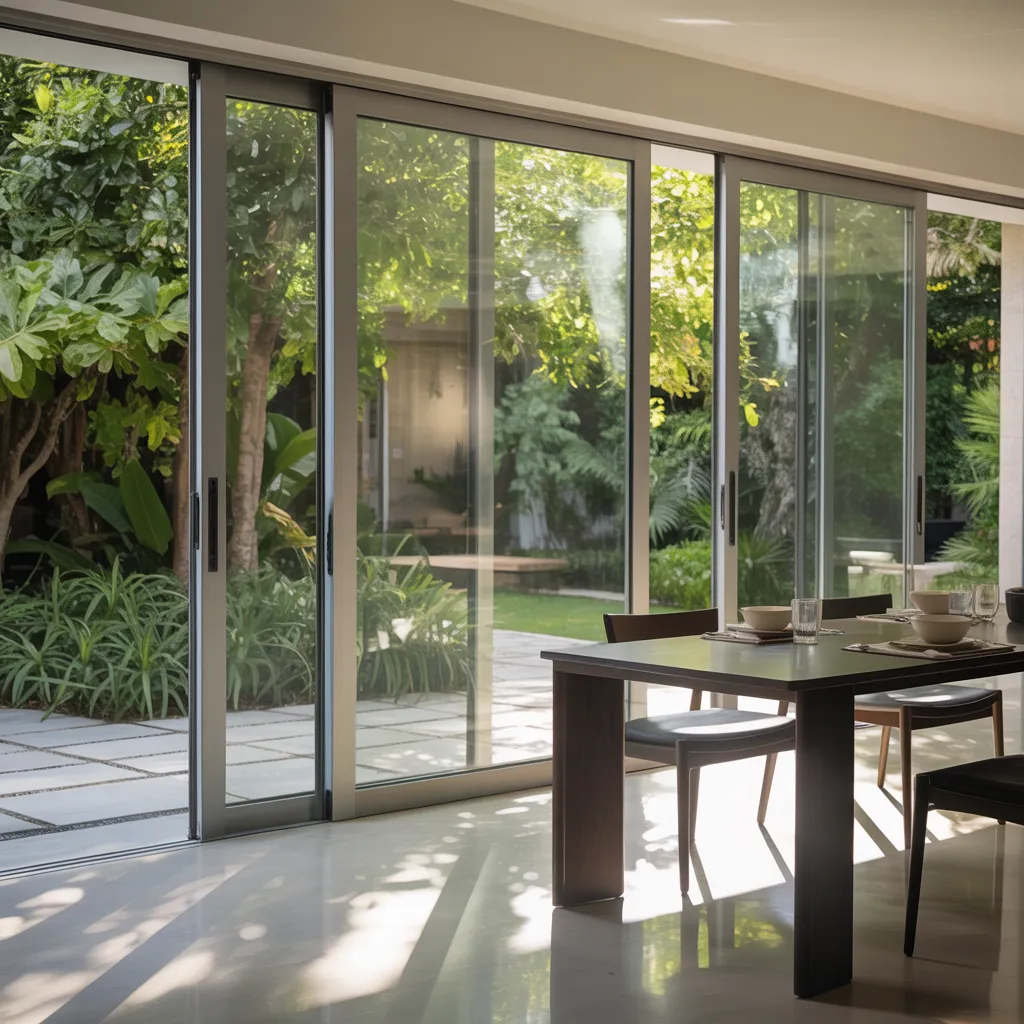
Embracing the splendor of sunlight uplifts indoor spaces, crafting an attractive ambiance that improves both well-being and visual appeal. Glass sliding doors function as an efficient approach for boosting this flow of natural rays. Their generous glass panels allow daylight to stream in, softening the divisions between interior and exterior areas. This harmonious blend not only illuminates residential areas but also fosters a sense of space, making areas feel more expansive and intertwined with nature. By carefully arranging sliding glass doors, householders can gain the benefit of scenic views and natural light at different moments of the day. Whether in a warm culinary area or a large open living space, the presence of glass sliding doors boosts the overall feel, nurturing a comforting and inviting space that encourages tranquility and delight.
Increase Area Optimization
Reimagining rooms with sliding doors can considerably improve space efficiency in residences. These doors do away with the need for swing space that traditional copyrightd doors demand, allowing for more flexible furniture layouts and increasing usable areas. By seamlessly linking indoor and outdoor spaces, sliding doors create a visual impression of expanded living spaces, promoting a more open atmosphere. They can be installed in various configurations suitable for different layouts, ensuring ideal movement and accessibility. Furthermore, many contemporary sliding doors feature sleek frames and large glass panels, which not only improve appearance but also minimize visual noise. This considerate design fosters a smooth transition between environments, ultimately boosting both space and function in modern living.
Caring for Your Sliding Doors to Preserve Enduring Beauty
Taking care of sliding doors requires regular attention to confirm they keep both functional and aesthetically pleasing. Regular care is essential; dirt and debris can collect in tracks, hindering operation and causing damage over time. Occupants should use a soft cloth and gentle soap to scrub the glass and frames, guaranteeing a clear view and charming appearance.
Additionally, inspecting the tracks and rollers for wear is vital. Lubricating these sections with a silicone-based spray can avoid sticking and help uninterrupted operation. Checking the seals for defects or deterioration helps support energy efficiency and stops water penetration.
Finally, periodic assessments of the door's alignment can uncover any problems sooner, permitting for timely adjustments. By dedicating a small amount of time into these maintenance tasks, sliding doors can continue to enhance indoor-outdoor living spaces while retaining their elegance and functionality for years to come.
Modernize Your Garden Space Using Bypass Doors
Sliding doors seamlessly dissolve the lines between indoor and outdoor living, establishing continuous connectivity that improves any space. By incorporating sliding doors into outdoor areas, homeowners can convert their patios, gardens, or balconies into functional extensions of their interiors. These doors draw in natural light, making outdoor spaces feel more inviting and connected to the home.
Moreover, glass sliding doors can enhance the aesthetic appeal of outdoor areas, offering unobstructed views of nature while providing easy access. They create a versatile environment for unwinding, eating, or hosting guests, enabling for adaptable use of space based on the season.
Moreover, the comprehensive collection of choices and textures on offer ensures that sliding doors can coordinate with any design aesthetic, perfecting the visual presentation of the estate. Ultimately, the incorporation of sliding doors not only maximizes exterior function but also enriches the way of living by fostering a balanced interaction with nature.
How Sliding Doors Transform Hosting Easy and Relaxing
Sliding doors incorporation not only enhances the visual and practical aspects of outdoor spaces but also considerably eases entertaining. With their seamless shift between indoor and outdoor areas, sliding doors establish an inviting atmosphere for gatherings. Hosts can effortlessly transition between kitchens and patios, serving food and drinks without begin here experiencing restriction.
Moreover, the expansive openings foster dialogue among visitors, promoting mingling and interaction. The ability to effortlessly open up a room enables for bigger events, accommodating more attendees comfortably.
In addition, the ease of sliding doors means that exterior features, such as barbecues or lounging spaces, are just close by, reducing the need for excessive trips indoors. This ease of access contributes to a comfortable setting where hosts can appreciate their time just as much as their guests. Ultimately, glass doors convert hosting into a more pleasant and less stressful activity.
Maximizing Natural Light and Views By Installing Sliding Doors
An wealth of daylight and stunning views can dramatically alter a home interior, and sliding doors are essential in achieving this effect. By establishing large apertures, glass sliding doors remove obstructions between indoor and outdoor environments, allowing sunlight to flood interiors. This not only illuminates areas but also enhances the overall ambiance, creating a sense of more inviting and spacious.
Furthermore, sliding doors present unobstructed views of gardens, patios, or landscapes, introducing nature indoors. The seamless shift encourages residents to connect with their surroundings, fostering a sense of connection to the outdoors.
Furthermore, contemporary sliding doors often include large glass panels, which optimize natural illumination while providing energy-efficient options that maintain pleasant interior climate. This combination of aesthetics and functionality renders sliding doors an perfect option for boosting daylight and captivating outlooks in any home.
Frequently Common Questions
Do Glass Doors Provide Energy Efficiency Across Diverse Climates?
Sliding doors can be energy-efficient in different climate zones, especially when fitted with double or triple glazing. Adequate insulation and weather sealing further enhance their efficiency, reducing energy loss and sustaining comfortable indoor temperatures throughout the year.
Which Security Mechanisms Are Available for Sliding Doors?
Sliding doors offer various protective elements, such as multi-lock mechanisms, reinforced frames, protective bars, and impact-resistant glass. These upgrades discourage unwanted access, providing homeowners with enhanced sense of security regarding their indoor-outdoor spaces.
What Effect Do Patio Doors Have on Home Market Value?
Sliding doors can improve home resale value significantly. Their appeal lies in offering smooth transitions between interior and exterior spaces, attracting buyers looking for modern aesthetics and functionality, hence potentially leading to increased bids and faster sales.
Can I install sliding doors myself?
One can mount sliding doors by oneself, given that they maintain basic carpentry competencies and required tools. However, thorough measurement, precise leveling, and complete sealing are essential to verify satisfactory operation and energy savings, making professional assistance beneficial for those starting out.
What Are the Best Types for Sliding Doors?
The superior options for sliding doors feature vinyl for energy performance, aluminum for robustness, and wood for aesthetic quality. Each material delivers individual benefits, enabling homeowners to choose based on style, upkeep, and climate factors.